
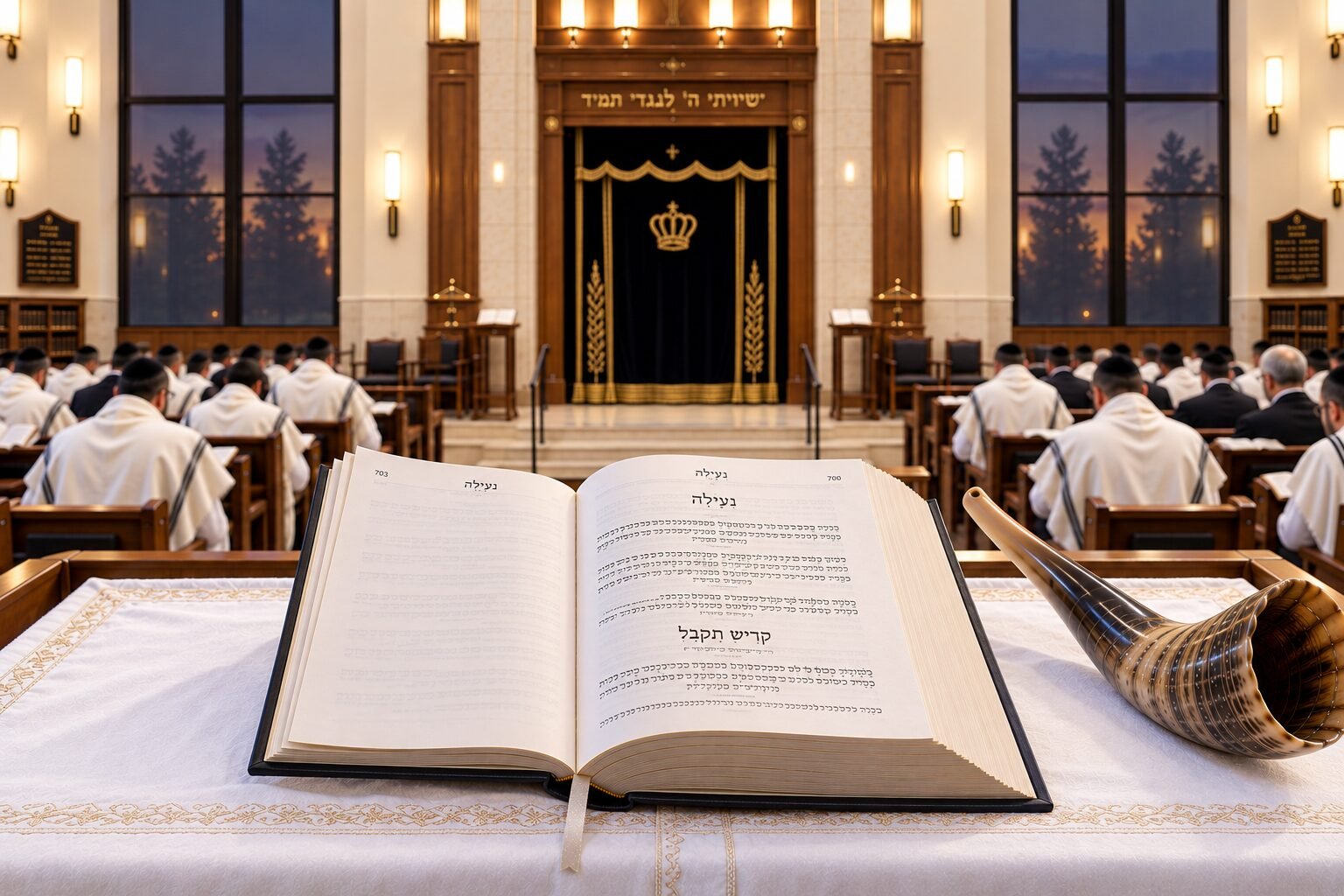
The Ten Days of Repentance, from Rosh Hashana through Yom Kippur, are not ordinary days. The Rambam teaches that although teshuva and calling out to Hashem are always appropriate, during Aseret Yemei Teshuva they are especially appropriate and are accepted immediately. He then records the Jewish custom during these days: to give more generously to tzedaka, perform more good deeds, and devote greater attention to mitzvot than during the rest of the year.
The increase matters. Aseret Yemei Teshuva is not simply a time to continue doing exactly what we do throughout the year while thinking more seriously about Yom Kippur. The established practice is to do more. Tzedaka has a prominent place in that response.
Why Tzedaka Belongs to These Days
The Hebrew word tzedaka expresses something that the English word “charity” does not fully capture. Charity can suggest voluntary generosity: what I have belongs to me, and I choose to give some of it away. Tzedaka comes from the idea of righteousness and justice. Giving is not simply an act of benevolence toward someone less fortunate. Hashem has entrusted a person with resources, and giving part of them to another is the right and just use of what Hashem has provided.
That understanding gives particular force to the Rambam’s description of Aseret Yemei Teshuva. During days devoted to returning to Hashem, we do not confine that return to thought or prayer. We increase mitzvot and good deeds, and we increase what we give.
As Yom Kippur approaches, the words of Yeshayahu give this an even sharper focus.
What Kind of Fast Does Hashem Want?
In Chapter 58, Yeshayahu addresses people who fast and seek Hashem, yet ask why their fasting has not received the response they expected. The Navi does not dismiss fasting. He challenges the contradiction between outward religious practice and conduct that remains unjust.
Yeshayahu asks what kind of fast Hashem chooses. His answer moves beyond abstaining from food. He speaks of undoing wickedness, removing oppression, and correcting injustice. Then he becomes strikingly concrete: share your bread with the hungry, bring the poor into the home, clothe the person who lacks clothing, and do not turn away from your own flesh.
The message is not that giving tzedaka substitutes for the Yom Kippur fast. Yom Kippur has its own mitzvot and obligations. Yeshayahu is teaching that a fast directed toward Hashem cannot be separated from the way we treat other people. Hunger, clothing, poverty, and justice are not peripheral to the Navi’s description of the fast Hashem desires; they are explicitly part of it.
That gives increased tzedaka particular immediacy during these days. The Rambam records that Jews give more generously during Aseret Yemei Teshuva, and as Yom Kippur approaches, Yeshayahu directs our attention toward the actual needs of other people. The response is not abstract. Bread for someone who is hungry and clothing for someone who needs it are the Navi’s own examples.
Why Give Now?
There will always be another opportunity to give tzedaka. Yet Torah does not treat every point in the calendar as interchangeable. The Rambam identifies these particular days as a time when the Jewish people increase their giving, good deeds, and mitzvot. That alone gives reason not to postpone an increase that belongs specifically to Aseret Yemei Teshuva.
Yeshayahu adds another dimension as the fast approaches. Preparing for Yom Kippur includes confronting the very practical responsibilities he names. The person who has food encounters someone who is hungry. The person with resources encounters someone without adequate clothing. The call is not merely to feel compassion but to respond to the need.
There is also something else happening on the Jewish calendar right now. Yom Kippur does not end a long holiday season followed by weeks of ordinary life. Sukkot begins only a few days later.
From Yom Kippur Directly to Sukkot
The Torah’s description of Sukkot makes the connection between Yom Tov joy and concern for others unmistakable. “You shall rejoice in your Festival,” the Torah commands, and then specifies who is to share that rejoicing. The list includes not only one’s own household but also the Levite, the stranger, the orphan, and the widow.
Sukkot is therefore not presented as private celebration. The Torah places people who may lack their own resources directly within its description of rejoicing on Yom Tov. Rashi expresses the principle forcefully: Hashem identifies the Levite, stranger, orphan, and widow as “My four” and says that when we gladden His, He will gladden ours.
This makes the timing of increased tzedaka especially meaningful. During Aseret Yemei Teshuva, the Rambam tells us that the Jewish people give more generously. As Yom Kippur approaches, Yeshayahu tells us not to separate fasting from feeding, clothing, and caring for those in need. Immediately afterward comes Sukkot, whose own command of rejoicing explicitly includes the orphan and widow.
The Calendar Calls for Action
These teachings do not need an invented connection. Their sequence is already before us in the calendar.
We are now in Aseret Yemei Teshuva, when increased tzedaka is part of the established Jewish response to these exceptional days. We are approaching Yom Kippur, when Yeshayahu’s words about fasting and responsibility toward those in need take on immediate relevance. Then, within days, we enter Sukkot, where the Torah itself commands a joy that includes the orphan and widow.
Tzedaka belongs in all three parts of that movement. Now is a time to increase what we give, to make concern for another person concrete, and to enter Yom Tov having helped extend its joy beyond our own homes.